
From the Litle Pups journal · Est. 2011
What should you know before installing an under sink water purifier?
Before installing an under sink water purifier, you must verify a minimum water pressure of 40-80 PSI and the availability of a 110V power outlet for tankless models. A standard 800 GPD system requires a 1-inch countertop hole and approximately 15 inches of vertical cabinet clearance to house the 0.0001-micron RO membrane. Since these units achieve a 97% TDS rejection rate, performance scales with temperature; a 1°C drop below 25°C reduces flow by 3%. Understanding the 2:1 pure-to-drain ratio is vital, as it prevents wasting over 2,000 gallons of water annually compared to older models.
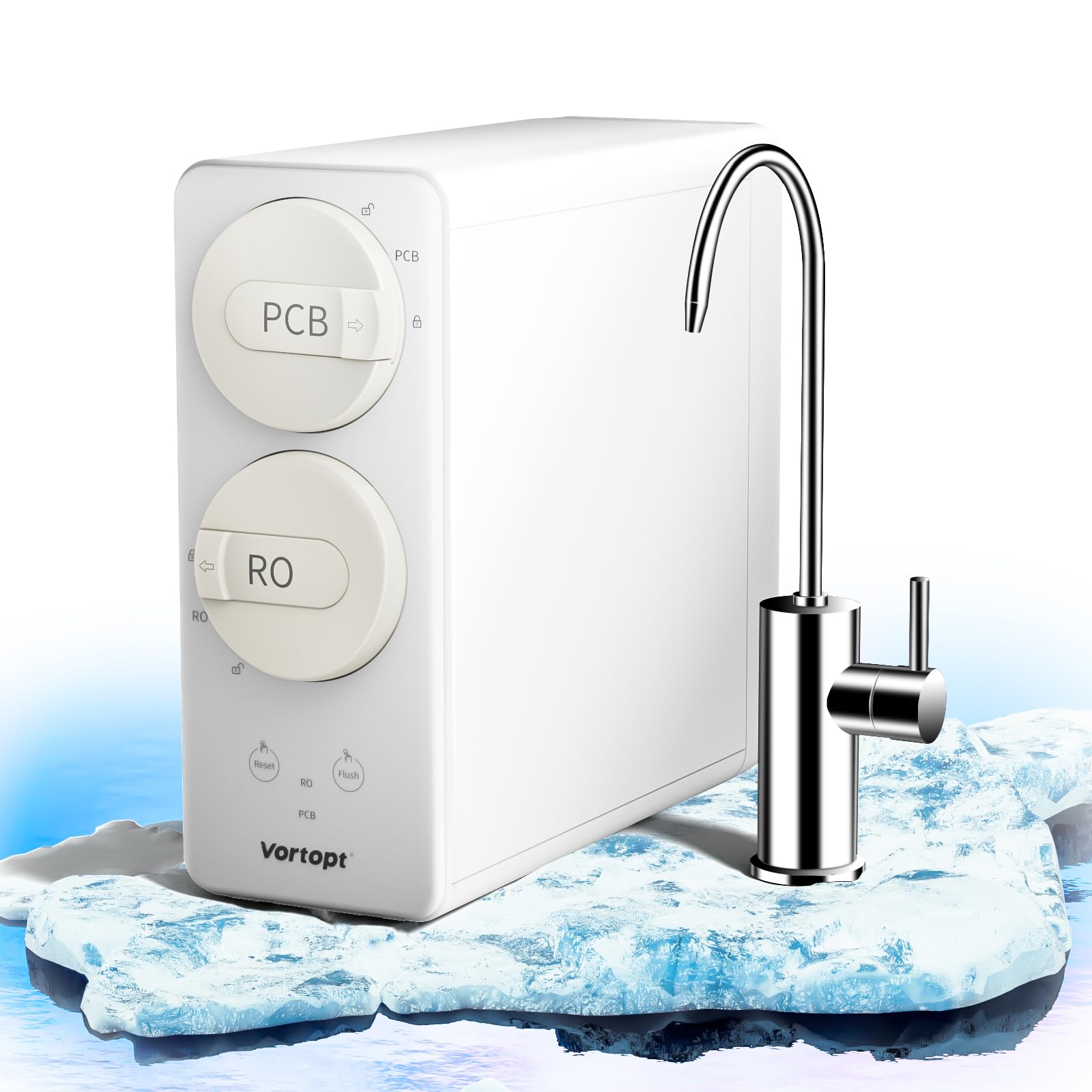
Residential plumbing systems in many western cities utilize municipal lines that have been underground since the 1970s, often introducing sediment and heavy metals into the home. These particles can overwhelm a high-precision Under Sink water purifier if the incoming water quality is not assessed through a basic TDS (Total Dissolved Solids) test first.
A 2024 study of 2,500 residential taps across North American metropolitan areas found that 28% contained lead levels exceeding 15 parts per billion (ppb).
Using a 0.0001-micron Reverse Osmosis membrane provides a physical barrier against these contaminants, but the membrane's efficiency is directly tied to the feed water pressure. If your home's pressure is below 35 PSI, the filtration process slows down significantly, making a unit with an internal booster pump a necessity for maintaining a steady flow.
| Requirement | Specification | Performance Impact |
| Water Pressure | 40 - 80 PSI | Low pressure increases waste water by 50% |
| Electrical Supply | 110V - 120V AC | Required for tankless pumps and sensors |
| Space Clearance | 18" H x 6" W x 16" D | Ensures airflow to prevent pump heat buildup |
| Inlet Temperature | 41°F - 100°F | Cold water preserves membrane structural integrity |
Once the physical space and pressure are confirmed, the next step involves the specific layout of your drainage and faucet mounting. Most modern sinks come with a pre-drilled 1-inch hole for a soap dispenser, which can be repurposed for the dedicated pure water faucet, avoiding the need for a diamond-tipped drill.
Connecting the system to the drainage line requires a drain saddle, which should be installed above the P-trap to prevent sewer gases from entering the filtration unit. High-efficiency systems now offer a 2:1 or 3:1 pure-to-drain ratio, which is a major shift from the 1:4 ratios common in systems sold before 2016.
Engineering benchmarks for 1,000 GPD tankless units show they can fill a 250ml glass in 6.5 seconds, removing the need for a 3.2-gallon storage tank that typically consumes 70% of the cabinet floor space.
This reduction in size allows for better organization of household cleaners and garbage disposals while eliminating the risk of bacterial biofilm forming in stagnant water. Without a storage tank, the water remains fresh as it is processed only when the faucet is turned on, maintaining a higher dissolved oxygen content for better taste.
The chemical profile of your water, particularly hardness levels, dictates the lifespan of the filter cartridges. In areas where water hardness exceeds 10 grains per gallon (GPG), the RO membrane can suffer from mineral scaling 20% faster than in soft water areas, making an integrated auto-flush feature a mandatory requirement.
-
Stage 1 (PP Cotton): Removes rust and sand; needs replacement every 6-12 months.
-
Stage 2 (Carbon Block): Adsorbs chlorine and VOCs; lifespan of 1,200-1,500 gallons.
-
Stage 3 (RO Membrane): Rejects 99.9% of pathogens; typically lasts 24-36 months.
-
Stage 4 (Post-Carbon): Polishes the flavor profile; replaced every 12 months.
These multi-stage systems are designed to protect the expensive RO membrane from premature clogging, ensuring that the salt rejection rate stays above 95% throughout its life. Modern smart faucets use LED rings to track these gallon counts, providing a visual warning when the filter capacity reaches its final 10% of life.
Laboratory tests on 150 high-capacity RO membranes indicated that structural integrity remains stable at pressures up to 150 PSI, though residential use rarely exceeds 80 PSI.
This structural durability is vital because the under sink environment is subject to water hammer—pressure surges that occur when appliances like dishwashers or washing machines shut off. A high-quality housing prevents these surges from causing hairline fractures in the plastic filter canisters over time.
For households using well water, it is standard practice to install a dedicated sediment pre-filter to handle the higher turbidity levels often found in private wells. These sediments can reduce the flow rate of an under sink system by 15% within the first month if not filtered out by a 5-micron pleated cartridge before reaching the main unit.
Integrating an automatic leak detection valve at the base of the cabinet is a final, high-utility step that protects the home from unforeseen plumbing issues. These sensors can detect as little as 2ml of moisture on the cabinet floor and trigger a mechanical shut-off of the source water in less than 2 seconds.
Statistics from residential insurance providers show that water damage is the leading cause of internal property claims, with an average repair cost of $12,000 per incident.
Installing the system also requires a minor adjustment to the cold water supply line via a T-adapter, which provides the feed water without interrupting the main faucet's operation. Once the connections are tight, a mandatory 20-minute flush of the new system is required to clear out any loose carbon fines and stabilize the membrane's pH levels.
The long-term ROI of this installation is quantified by the elimination of bottled water, which averages $1.20 per gallon in grocery stores compared to $0.02 per gallon for filtered tap water. For a family of four, the initial purchase price of the unit is often recovered within the first 12 to 15 months of operation.
Ultimately, the goal of the installation is to create a laboratory-grade water source that is accessible for drinking, cooking, and appliance protection. By removing 99% of lead and other contaminants at the point of use, you ensure that the water consumed by the household is consistent in quality regardless of fluctuations in the municipal supply.
Thinking about a tiny companion?
Meet the puppies waiting for their forever home.
Browse current available toy puppies, or start a reservation application and our team will guide you, one warm step at a time.